Make it yours
Your branding, your photos, your way of welcoming people.
ONE HUB. MORE OF YOUR BUSINESS.
Give customers one place to discover you, book your services, and earn rewards. Manage your customers, bookings, loyalty, and updates from one Hub.
Your tools, connected. Your customers, kept close.
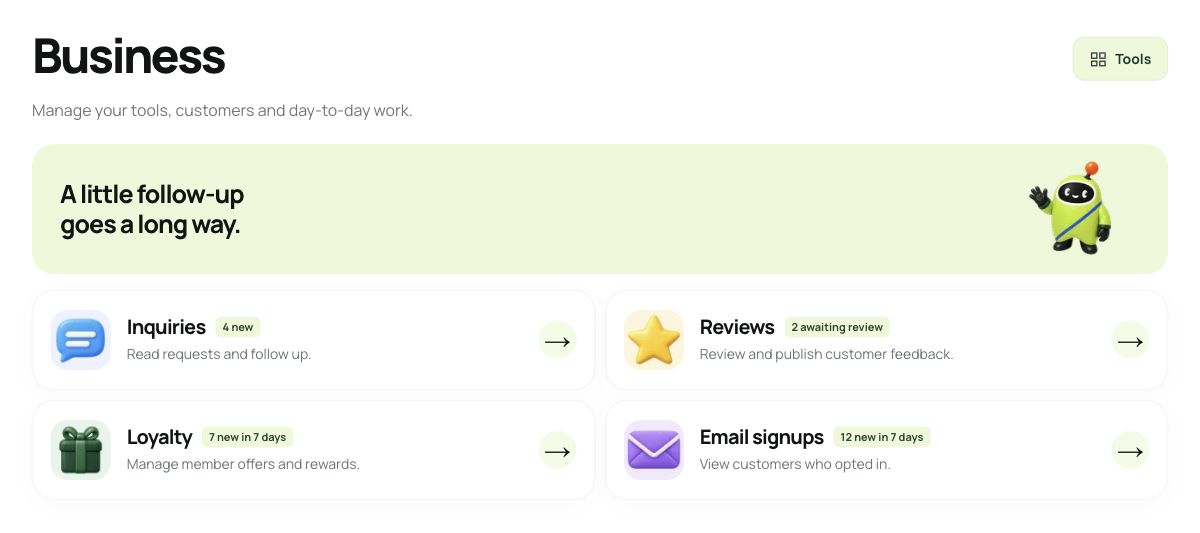
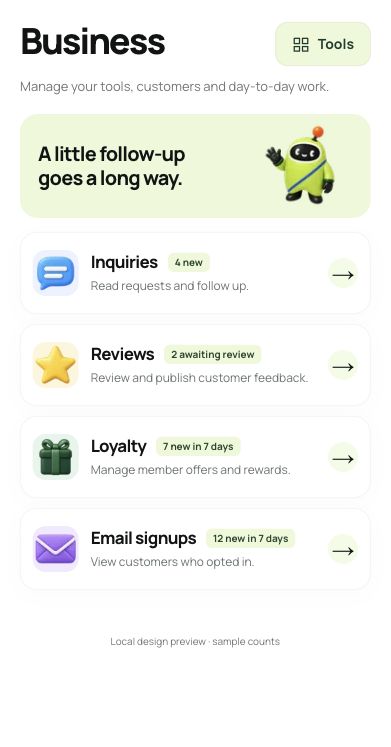
Reach your tools, follow up on requests, and keep customers connected.
01 / YOUR BUSINESS, ALL TOGETHER
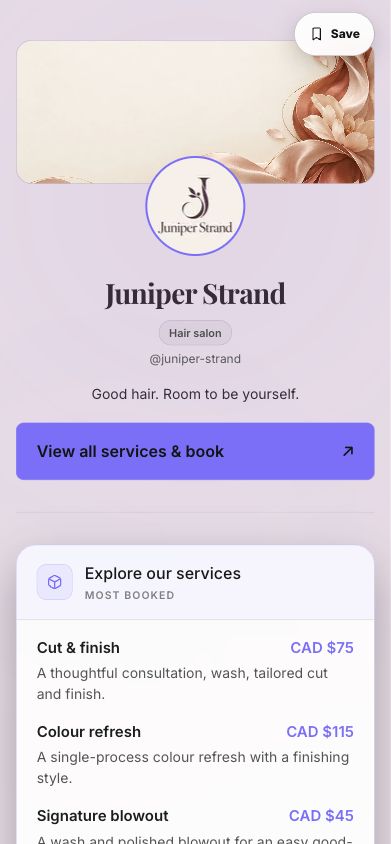
Give people a feel for your business—and something useful to do next. One place for the services, updates, and little details that turn interest into a visit.
Your branding, your photos, your way of welcoming people.
Explore services, book, get directions, or join your rewards.
Put your Hub in your bio, on your website, or behind a QR code at the counter.
DIFFERENT BUSINESSES. THEIR OWN WAY TO HUBLY.
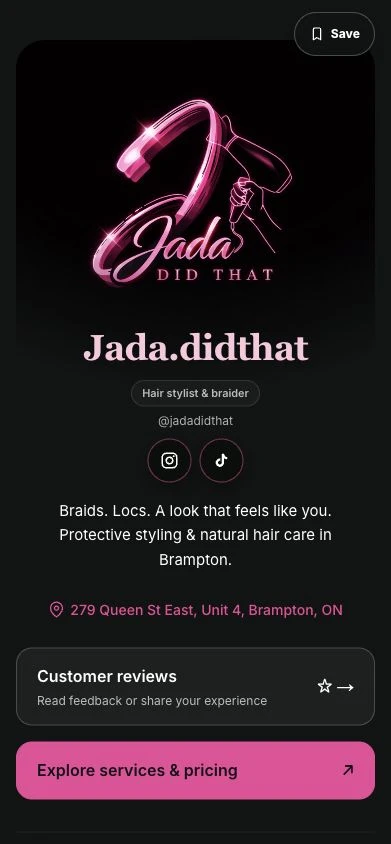
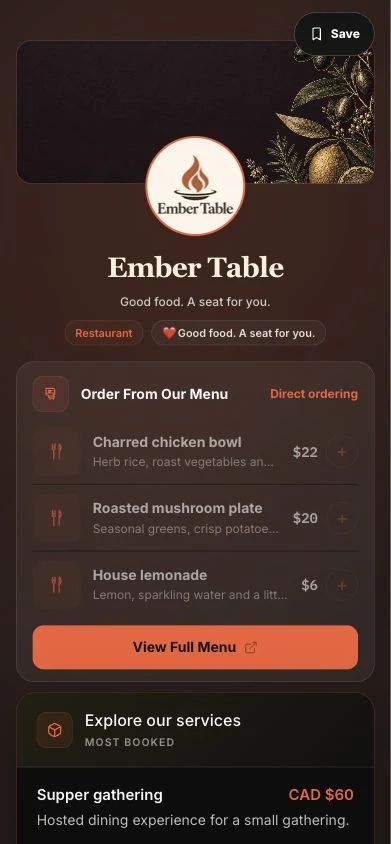
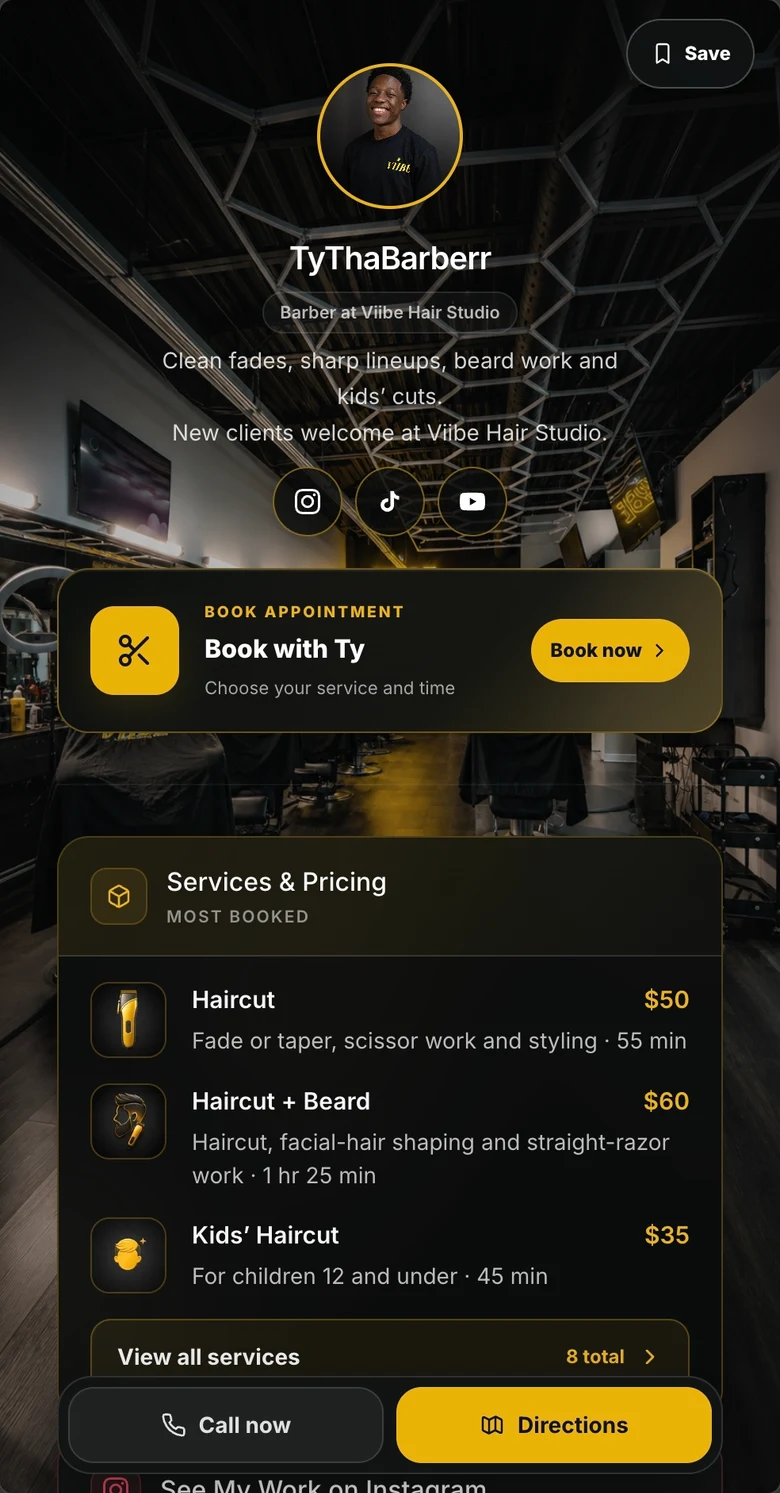
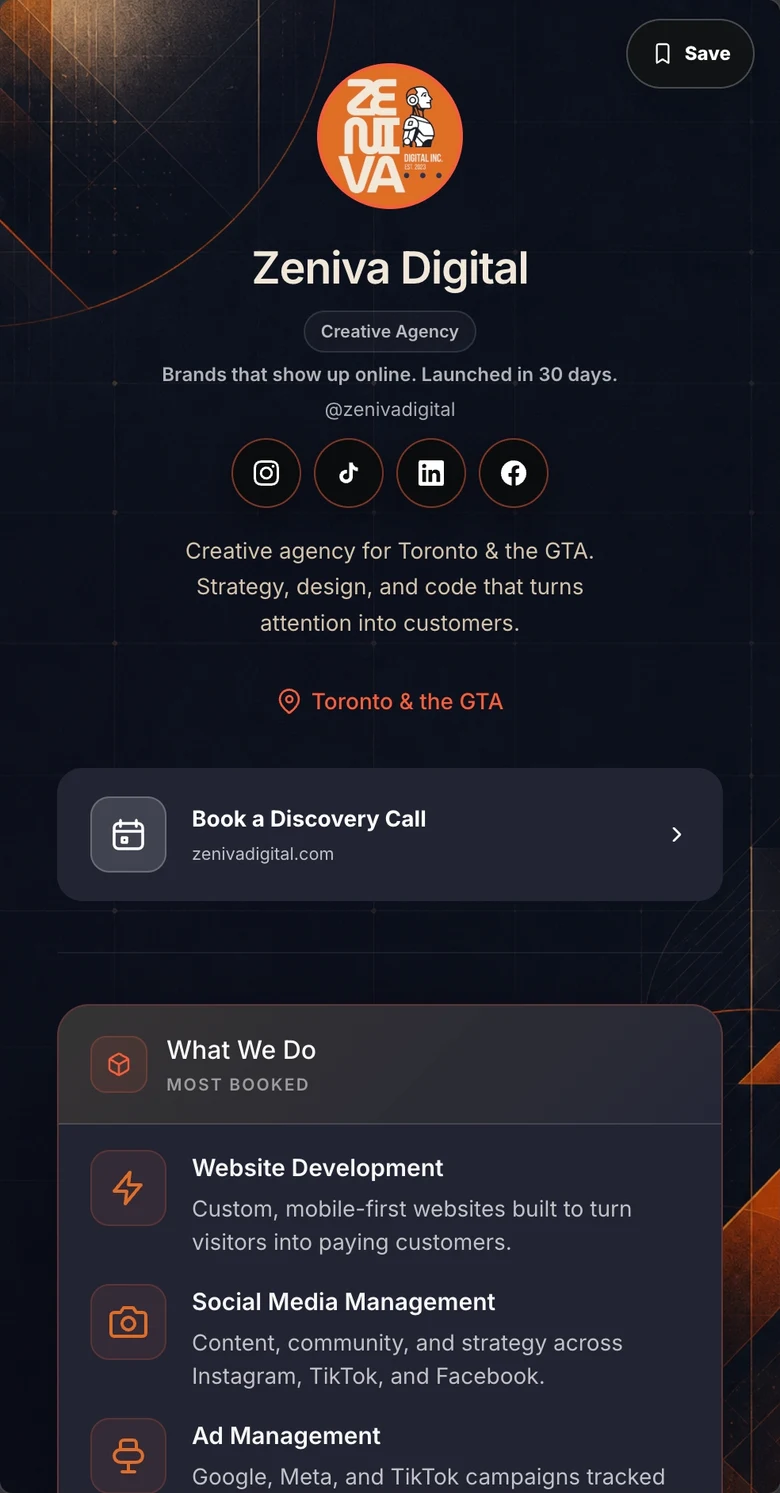
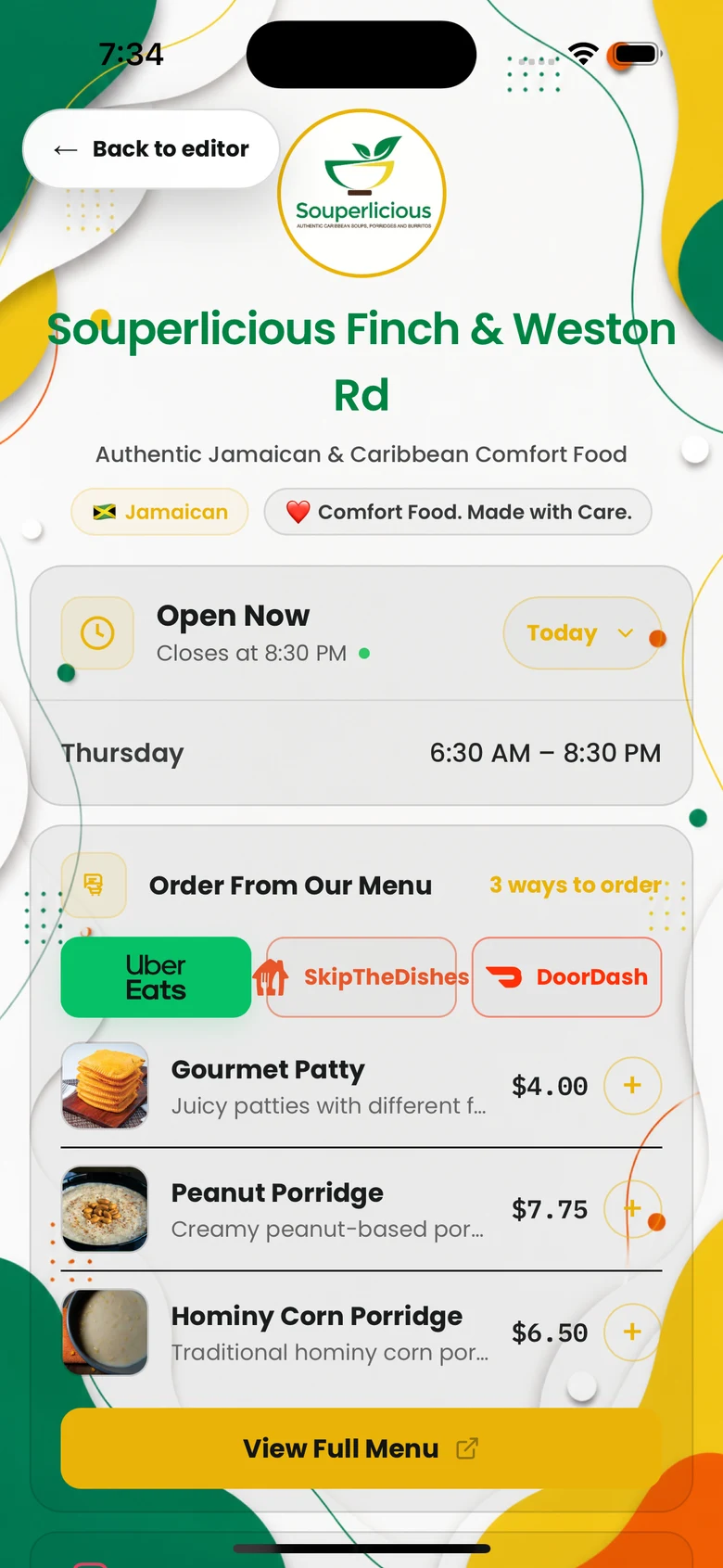
A menu to explore, a fresh batch to discover, or a creator to work with. Your Hub brings the right next step into view.
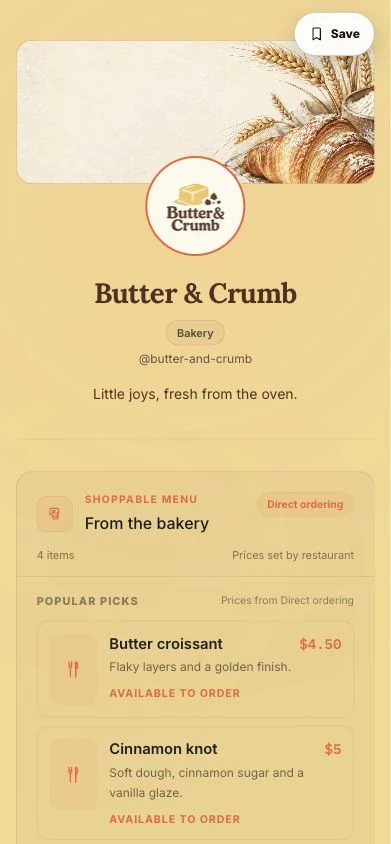
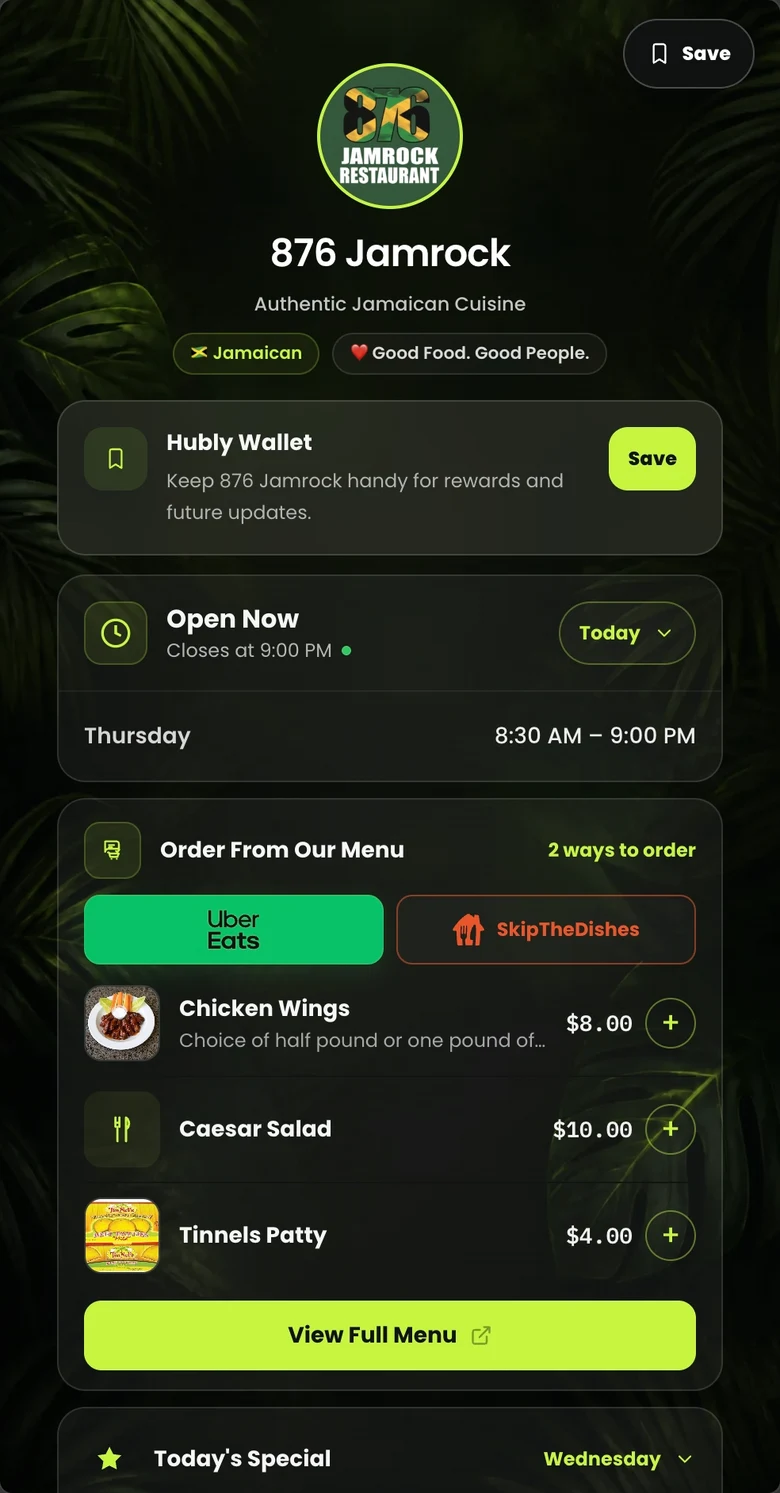
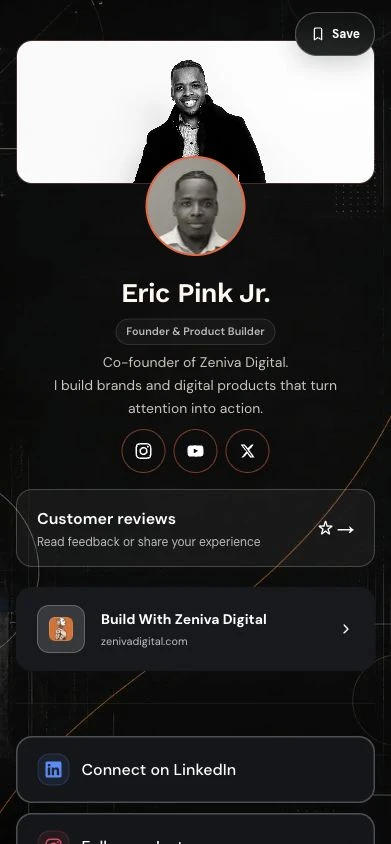
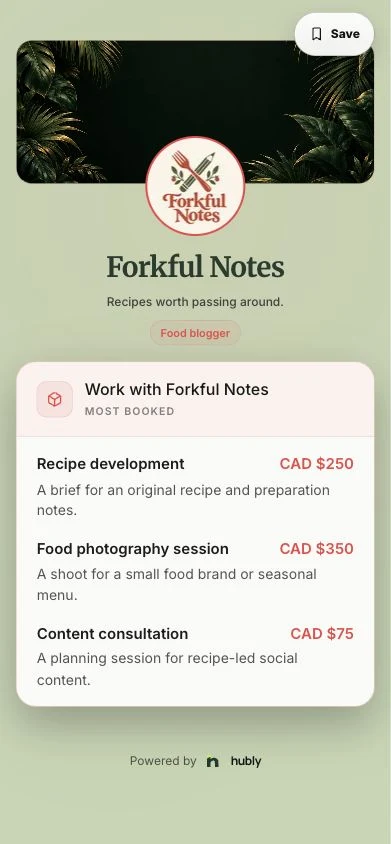
02 / SERVICES & BOOKING
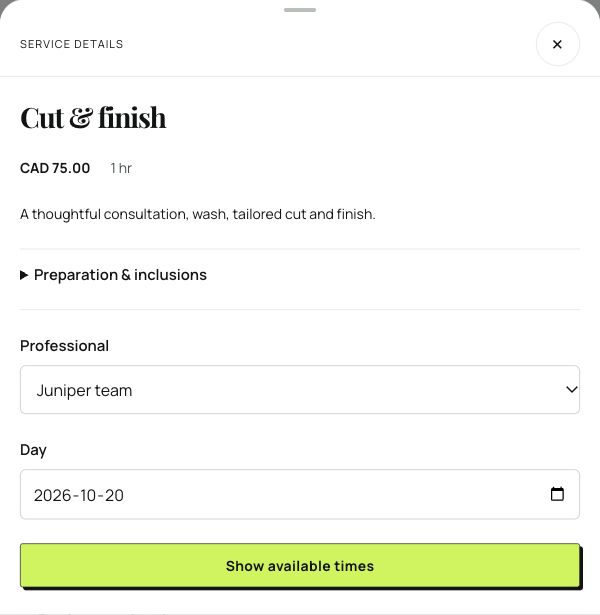
Show what you offer. Let customers choose a service and an available time. Keep the appointment details together, so everyone knows what comes next.
CLEAR DETAILS BEFORE THEY BOOK
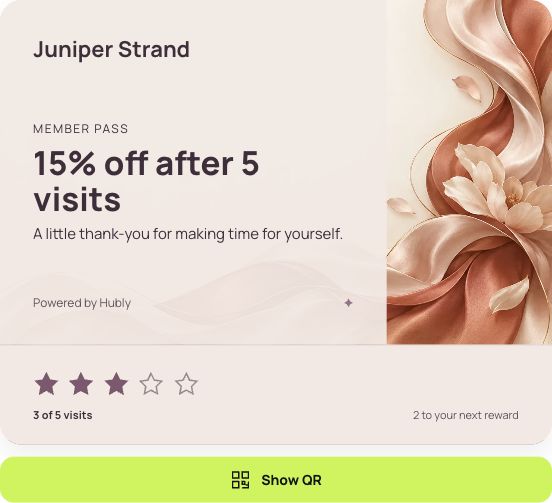
THEIR NEXT REWARD, EASY TO SEE
03 / LOYALTY & REWARDS
Give customers a reason to choose you again. Create a loyalty offer, celebrate qualifying visits, and make their next reward easy to see.
They keep your branded pass in Hubly Wallet. At the counter, they show their QR code and your team handles the visit or redemption.

Customers can add it to Apple Wallet and scan at participating businesses they’ve joined.
THE CONNECTION CONTINUES
A saved Hub gives customers a way back to your business. Share updates they choose to follow, while their passes, appointments, and orders stay together in Wallet.
Open your WalletFor the places
you love coming back to.
THE OWNER’S SIDE
Understand how people find your Hub, what they tap, and which supported bookings or purchases are confirmed. Useful answers, in one owner view.
Explore sample ResultsA clear view of recent business activity.
Where visits come from and what people tap.
Confirmed activity from supported business tools.
A booking-button tap is interest. A confirmed appointment is an outcome. Hubly keeps the difference clear.
START WITH WHAT YOU NEED
Start with your own Hub. Choose a plan for your team, locations, or clients as you grow. We’ll confirm the tools and setup that fit your business.
One owner. One business Hub.
Your business and team, together.
Keep your locations connected.
Manage Hubs for your clients.
Founding rates. Currency, tax, renewal and cancellation details are confirmed before payment.
Compare plans & inclusionsYour Hub is your customer-facing business page. Bring together your services, offers, reviews, contact details and the actions you want customers to take. Choose the tools that fit your business.
Hubly supports service listings and appointment booking where enabled. You can also direct customers to your existing booking provider. Availability, policies and any payment setup need to be ready before you accept bookings.
Participating businesses choose their loyalty offers and qualifying visits. Customers join the program, keep their pass in Hubly Wallet, and show their QR code to staff. Each business sets its reward terms.
Wallet is where customers keep their saved Hubs, loyalty passes, appointments and orders. The Hubly Rewards Card is one card they can add to Apple Wallet and scan at participating businesses they’ve joined.
No. Hubly has its own reporting for Hub visits and customer actions. An owner can grant Hubly read-only access to import aggregate daily GA4 property and acquisition performance into Hubly reports. Hubly cannot edit Analytics settings, tags, audiences, or data.
Yes. Plans are available for individual owners, teams at one location, businesses with multiple locations, and agencies managing client-owned Workspaces. Compare the plans to find the right fit.
Apply for business access and tell us what you need. We’ll confirm the plan, available tools and any setup required before payment. Customers can sign in to Wallet to save participating Hubs and join their loyalty programs.
YOUR BUSINESS. THEIR NEXT FAVOURITE.